
International GAAP® 2024 The global perspective on IFRS Netherlands
Лайм ФХ реальные отзывы, торговые условия, счета, достоинства недостатки
6 mars 2023Pin Up Casino ️ Azərbaycanın Rəsmi Saytı
7 mars 2023International GAAP® 2024 The global perspective on IFRS Netherlands

In the United States, if a company distributes its financial statements outside of the company, it must follow generally accepted accounting principles, or GAAP. If a corporation’s stock is publicly traded, financial statements must also adhere to rules established by the U.S. Also known as “pro forma” reporting, non-GAAP reporting describes financial statements, reporting standards, and disclosures that were not prepared using GAAP guidelines. They may be used by U.S. businesses and organizations not subject to GAAP requirements, or by certain international entities operating in U.S. capital markets.
When Were Accounting Principles First Set Forth?
The following subsections introduce and explain the roles that various boards and organizations play in the ongoing development of generally accepted accounting principles. Today, GAAP is a required accounting practice for for-profit companies, non-profits, and government entities in the United States. Accurately tracking and presenting financial information can be complex, even for smaller organizations. Therefore, it is critical that organizations use standardized accounting practices when reporting financial information to ensure the information is transparent, consistent, and comparable. Transitioning from US GAAP to IFRS is a complex endeavor that requires meticulous planning and execution. Companies must first conduct a comprehensive assessment to identify the differences between the two frameworks and understand how these differences will impact their financial statements.
Which GAAP principle is most important?
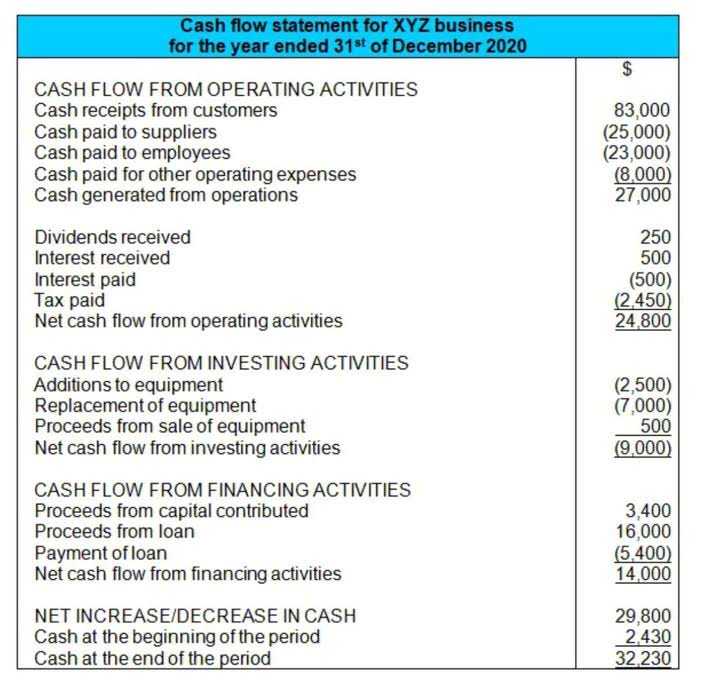
In contrast, IFRS is principles-based, offering broader guidelines that require professional judgment. This flexibility can foster more meaningful financial statements but may also introduce variability in interpretation. GAAP requires financial statements to include a balance sheet, income statement, statement of comprehensive income, changes in equity, cash flow statement, and footnotes.
What Are the Basic Principles of Accounting?

The GAAP are a combination of procedures and standards utilized by a company when generating its financial statements. Both authoritative standards, determined by policy boards, and the most widely used and accepted means of writing and publishing accounting information are joined to create GAAP. These standards are required of companies so an investor can have some basic consistency among the financial statements of companies for comparison. Covered under the GAAP are such things as classification of items on the balance sheet, share measurements and recognition of revenue. IFRS requires financial statements to include a balance sheet, income statement, changes in equity, cash flow statement, and footnotes.
- The process of figuring out how much your inventory is worth is called inventory valuation.
- Upholding the EY commitment to carbon neutrality, International GAAP® 2023 has been published digitally on the free version of EY Atlas Client Edition.
- GAAP is used primarily in the United States, while the international financial reporting standards (IFRS) are in wider use internationally.
- These principles ensure consistency, accuracy, and transparency in financial reporting across various industries in the United States.
The use of GAAP is not mandatory for all businesses, but SEC requires publicly traded and regulated companies to follow GAAP for the purpose of financial reporting. Controversy has almost inevitably arisen when one country adopts another country’s accounting methods. Part of the reason it is so difficult to generate one set of universally accepted accounting standards is the basis on which the standards are set.

These standards, as set by each particular country’s accounting standards board, will in turn influence what becomes GAAP for each particular country. For example, in the United States, the Financial Accounting Standards Board (FASB) makes up the rules and regulations which become GAAP. Investors should be cautious if a financial statement isn’t prepared using GAAP. Comparing financial statements across different companies—even within the same industry—becomes challenging without GAAP. Some companies may use GAAP and non-GAAP measures to report their financial results.
- As more countries and companies transition to IFRS, investors are likely to benefit from a more cohesive and accessible global financial landscape.
- Countries that benefit the most from the standards are those that conduct a lot of international business and investing.
- We accept payments via credit card, wire transfer, Western Union, and (when available) bank loan.
- The two differing fundamental approaches make it difficult to reconcile standard practices.
- US GAAP defines an asset as a future economic benefit, while under IFRS, an asset is a resource from which economic benefit is expected to flow.
- Formally reported data must be fact-based and dependent on clear, concrete numbers.
Deciding which set of standards to use depends on whether your company operates in the US or internationally. Work is being done to converge GAAP and IFRS, but the process has been slow going. IFRS principles are issued and updated by the International Accounting Standards Board (IASB), an independent and private organization is gaap used internationally based in London. As of June 2024, IFRS guidelines are used in more than 100 countries, including most major economies in Europe, South America, and Asia. The Governmental Accounting Standards Board (GASB) estimates that about half of the states officially require local and county governments to adhere to GAAP.
Generally Accepted Accounting Principles (GAAP) Guide
In the case of rules-based methods like GAAP, complex rules can cause unnecessary complications in the preparation of financial statements. These critics claim having strict rules means that companies must spend an unfair amount of https://www.bookstime.com/ their resources to comply with industry standards. In accounting, development costs are the internal costs of developing intangible assets—assets with no physical form, like patents, intellectual property, and client relationships.